
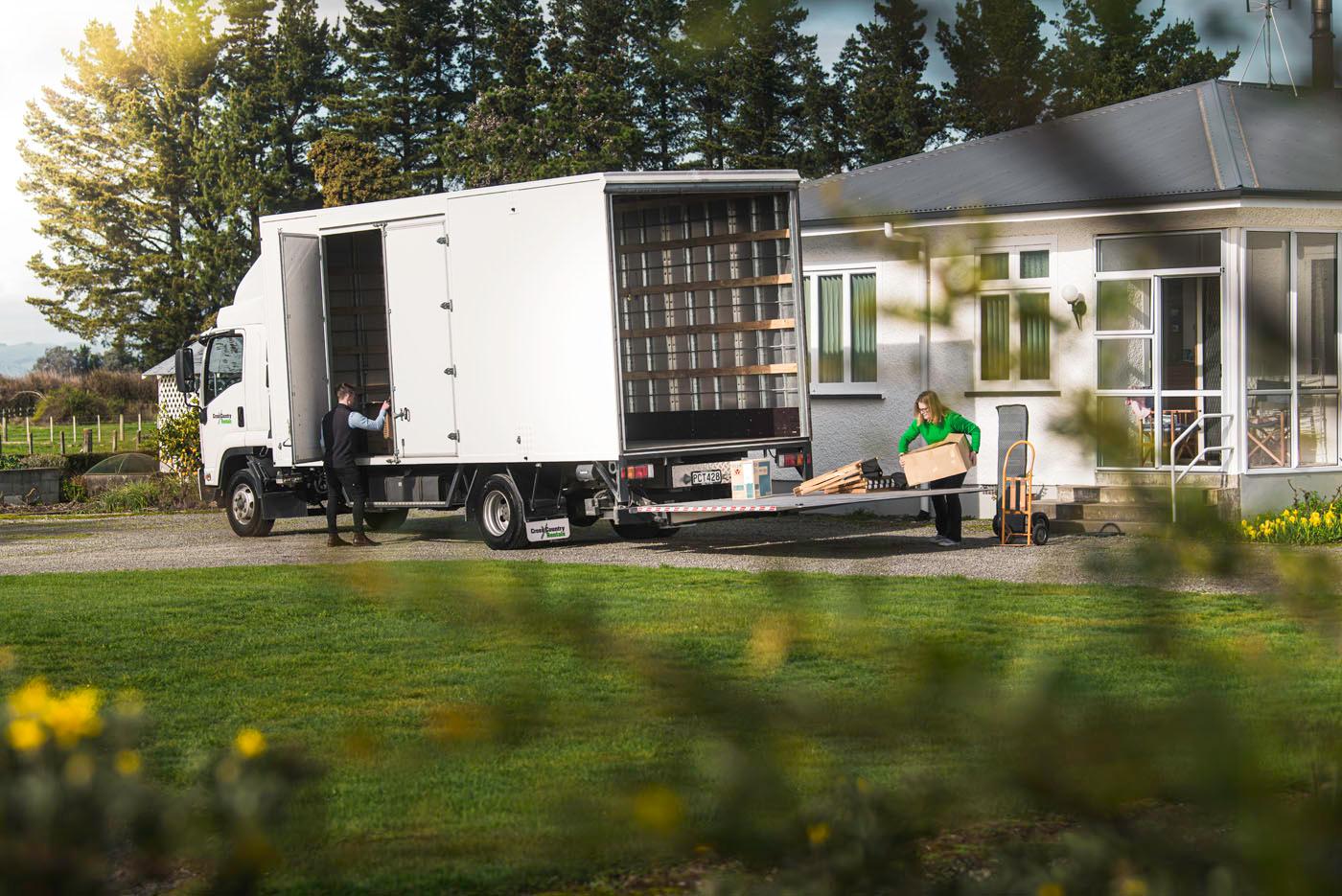
Planning a move? Start here.
Moving house can feel overwhelming, but with the right planning, vehicle and support, the process becomes much easier. Whether you are moving across town, between cities or relocating to another region, Cross Country can help you choose the right vehicle and prepare for moving day.
Moving made easier
A little planning goes a long way.
Whether you are moving from a flat, apartment, family home or lifestyle property, one of the biggest decisions is choosing the right vehicle and planning the move properly.
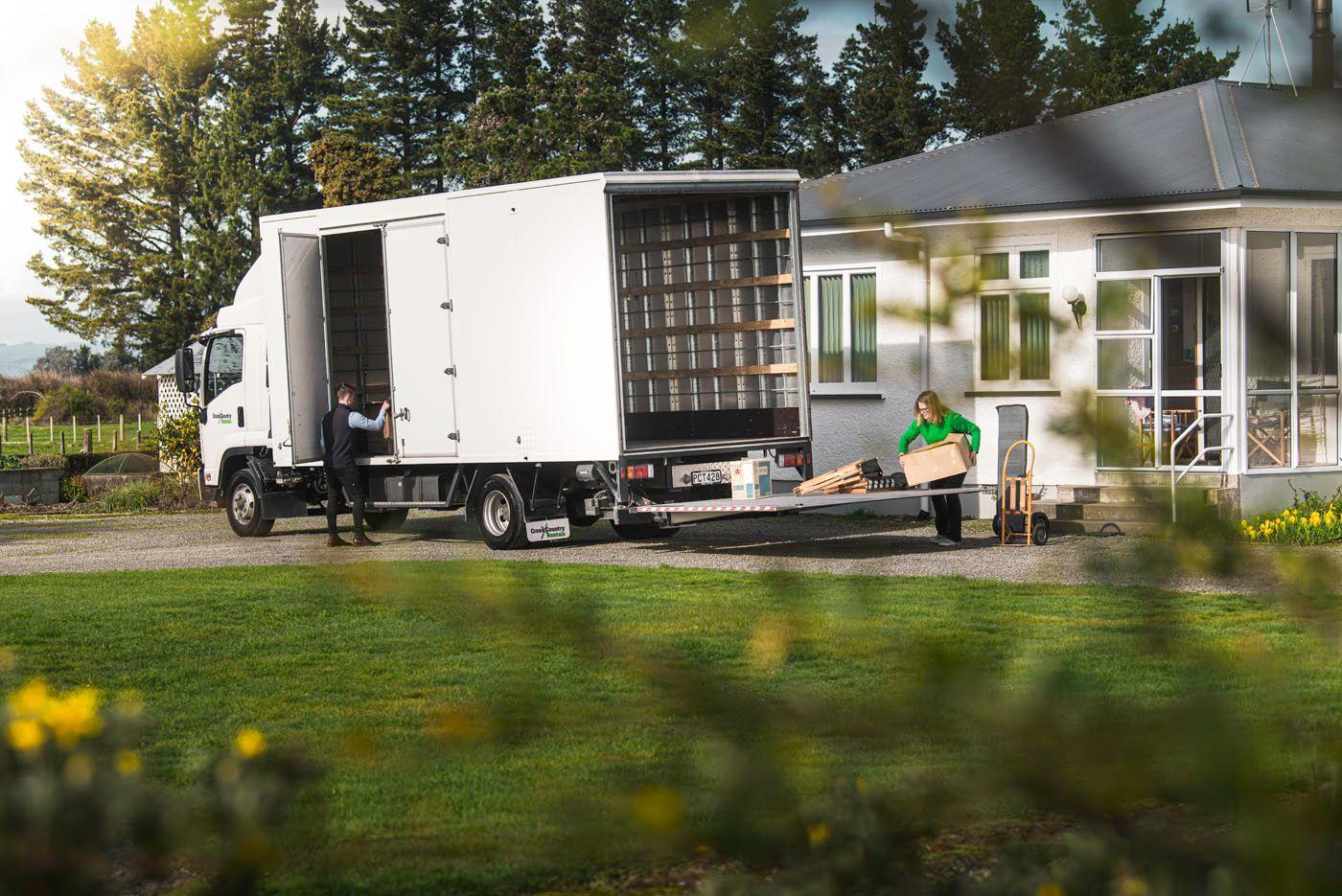
A vehicle that is too small may require multiple trips. A vehicle that is too large can create unnecessary cost and may be more difficult to manoeuvre than needed. Cross Country offers a range of moving vehicles throughout New Zealand, including cargo vans and furniture trucks suitable for households, businesses and regional relocations.
The benefits
Why many New Zealanders choose to move themselves.
Save money
For many moves, hiring a vehicle can be more cost-effective than using a full removal service.
Move on your schedule
Choose your own timing without working around a moving company’s availability.
Choose the right-sized vehicle
Select a cargo van or furniture truck suited to the amount you need to move.
Flexible pickup and return
One-way hire may be available for moves between towns, cities or regions, subject to route and vehicle availability.
Pack belongings your way
Load, organise and protect your items in the way that works best for your move.
Suitable for local and regional moves
Use the vehicle for a same-city move, regional relocation or longer journey.
What size vehicle do I need?
Match the vehicle to the size of your move.
Choosing the right vehicle can save time, fuel and repeat trips. Every move is different, but the guide below provides a practical starting point.
Home or Move Size
Suggested Vehicle
Typical Contents
Room or small studio
Cargo van
Boxes, luggage, a bed, small furniture and personal belongings.
Studio or one-bedroom home
Large cargo van or small furniture truck
Small household furniture, whiteware, boxes and appliances.
Two-bedroom home
Furniture truck
Typical household furniture, beds, appliances and packed boxes.
Three-bedroom home
Medium or large furniture truck
Family-home contents, larger furniture, whiteware and boxes.
Four-bedroom home
Large furniture truck
Larger household contents, multiple beds, appliances and outdoor items.
Five or more bedrooms
Large truck solution or multiple loads
Significant household contents, garage items, outdoor equipment and storage contents.
Home or Move Size
Room or small studio
Studio or one-bedroom home
Two-bedroom home
Three-bedroom home
Four-bedroom home
Five or more bedrooms
Suggested Vehicle
Cargo van
Large cargo van or small furniture truck
Furniture truck
Medium or large furniture truck
Large furniture truck
Large truck solution or multiple loads
Typical Contents
Boxes, luggage, a bed, small furniture and personal belongings.
Small household furniture, whiteware, boxes and appliances.
Typical household furniture, beds, appliances and packed boxes.
Family-home contents, larger furniture, whiteware and boxes.
Larger household contents, multiple beds, appliances and outdoor items.
Significant household contents, garage items, outdoor equipment and storage contents.
Before choosing a truck
Look beyond the number of bedrooms.
Bedroom count is useful, but it does not tell the whole story. Two homes with the same number of bedrooms can require very different vehicle sizes.
- List the largest items : Include beds, couches, tables, wardrobes, whiteware, outdoor furniture and bulky equipment.
- Count packed boxes : Estimate how many standard moving boxes, storage tubs and loose items will be loaded.
- Include garages and sheds : Tools, bikes, lawn equipment, shelving and stored belongings can add substantial volume.
- Consider access : Narrow driveways, low branches, tight streets and apartment loading areas may affect which truck is practical.
- Plan for safe loading : Do not rely on stacking heavy or fragile items unsafely just to fit into a smaller vehicle.
- Allow some spare capacity : A small amount of extra space can make the load easier to organise and secure.
Compare your options
Choose the vehicle that suits the move.
Cargo van
Best for smaller moves, student accommodation, rooms, studios, furniture pickups and jobs where easy city access matters.
Furniture truck
Best for household relocations, larger furniture, whiteware and moves where completing the job in fewer trips is important.
Trailer
Useful for smaller loads or extra carrying space when you already have a suitable tow vehicle. Confirm towing capacity, towbar requirements and licence conditions before booking.
One-way moving vehicle
A practical option when moving between cities or regions and returning to the starting point would add unnecessary time and distance. One-way availability and charges must be confirmed in advance.
Move preparation
Stay organised from start to finish.
Four weeks before
- Confirm the moving date
- Book the moving vehicle
- Start sorting and decluttering
- Arrange utility transfers
- Begin collecting boxes and packing materials
- Measure large furniture and access points
Two weeks before
- Pack non-essential items
- Label boxes by room and contents
- Arrange help from family or friends
- Confirm access and parking at both properties
- Redirect mail and begin address updates
- Plan for pets and children on moving day
One week before
- Finish most packing
- Prepare appliances for transport
- Confirm vehicle pickup and return details
- Set aside tools for disassembly and reassembly
- Prepare an essentials box
- Check the route and expected travel time
Moving day
- Complete the vehicle inspection
- Load heavier items first
- Distribute weight evenly
- Secure furniture and appliances
- Keep documents, medication and valuables with you
- Check every room before leaving
After the move
- Unload safely and methodically
- Check the vehicle for forgotten items
- Refuel as required
- Return the vehicle at the agreed time and location
- Unpack essential items first
- Complete remaining address and utility updates
Moving day advice
Load smarter, not harder.
- Use consistent boxes : Similar-sized boxes are easier to stack and secure than a mix of weak or oversized cartons.
- Do not overload boxes : Keep boxes manageable enough to lift safely. Pack books and dense items into smaller boxes.
- Protect furniture : Use moving blankets, padding or suitable covers to help reduce rubbing and impact damage.
- Load large and heavy items first : Position whiteware, couches and substantial furniture before filling gaps with lighter items.
- Distribute weight evenly : Avoid placing all heavy items on one side or at the very rear of the vehicle.
- Secure the load : Use suitable restraints and tie-down points where provided. Items should not be free to move during braking or cornering.
- Keep essentials accessible : Carry keys, chargers, medication, important documents, cleaning supplies and an overnight bag where they can be reached easily.
- Use safe lifting techniques : Ask for help with heavy or awkward items and use a trolley or lifting equipment where appropriate.
Local moves
Suitable for same-city or nearby relocations where the vehicle can be collected and returned to the same branch.
Regional relocations
Move between towns and regions with a vehicle suited to the distance, load and road conditions.
Inter-city moves
A practical option for major relocations between New Zealand cities, including journeys where a one-way return may be available.
Inter-island moves
Approved vehicles may be able to travel between the North and South Islands. Inter-island approval, ferry arrangements, vehicle dimensions and any one-way charges must be confirmed before travel.
Avoid unnecessary stress
Things that can make moving harder.
- Booking the vehicle too late
- Underestimating the space required
- Ignoring garage, shed or outdoor contents
- Packing boxes too heavily
- Failing to secure furniture and appliances
- Not checking access, parking or clearances
- Leaving too little time for loading and cleaning
- Changing the return location without approval
- Forgetting fuel, ferry or one-way arrangements
- Driving when tired after a long day of moving
FAQ
The right size depends on the amount and dimensions of your furniture, appliances, boxes, garage contents and outdoor items. The property-size guide is a starting point, and our team can help if you are unsure.
A cargo van, large cargo van or small furniture truck may be suitable, depending on the amount of furniture and number of boxes.
A furniture truck is generally the more practical starting point. The exact size depends on furniture volume, whiteware, garage contents and whether you want to complete the move in one load.
Some spare capacity can make loading and securing items easier, but the vehicle still needs to suit your licence, confidence, access and route. Speak with our team before choosing.
Many moving vehicles may be driven on a New Zealand Class 1 licence, but licence requirements vary by vehicle. Cross Country will confirm the requirement for the selected vehicle.
One-way hire may be available depending on the vehicle, route, dates and return location. A one-way or relocation charge may apply.
Approved vehicles may be able to travel between the North and South Islands. The journey must be approved in advance, and ferry arrangements and charges must be confirmed.
Not unless Cross Country confirms this in writing. Customers normally book and pay for the vehicle ferry separately.
Equipment varies by vehicle and location. Ask the team what is included or available when you book.
Yes. Tell us what you are moving, the property size, largest items, number of boxes, collection location and destination. We can help identify an appropriate vehicle category.
Book as early as practical, particularly for weekends, month-end periods, public holidays and long-distance moves. Availability depends on the vehicle, branch and dates.
Contact the hiring branch before the agreed return time. Extensions require approval and may be subject to vehicle availability and additional charges.
Move to a safe location and contact Cross Country. Genuine vehicle faults that are not the hirer’s responsibility will be supported and remedied. Costs may apply for hirer-caused or non-covered events.
Cross Country offers different cover levels with different liability and roadside inclusions. Review the Coverage page or ask the team before confirming the rental.


